
👉 Leer este post en español: Mi vida nunca fue ordinaria
🌿 Note from Catalina:
This blog comes from a neurodivergent mind and an immigrant heart. It’s a mix of memories, plants, recipes, travels, and reflections—no straight lines, just stories from a brain that works differently.
I write to be the voice I once needed—for anyone who’s ever felt out of place, misunderstood, or too much. You’re not alone.
Some of the jobs I’ve had didn’t exist before I arrived at the company. That sounds rare, right? But it’s something I’ve experienced more than once. I’ve always had this strange ability to walk into a place and see what needs fixing—whether it’s a broken chair, a confusing sign, or a system that just isn’t working.
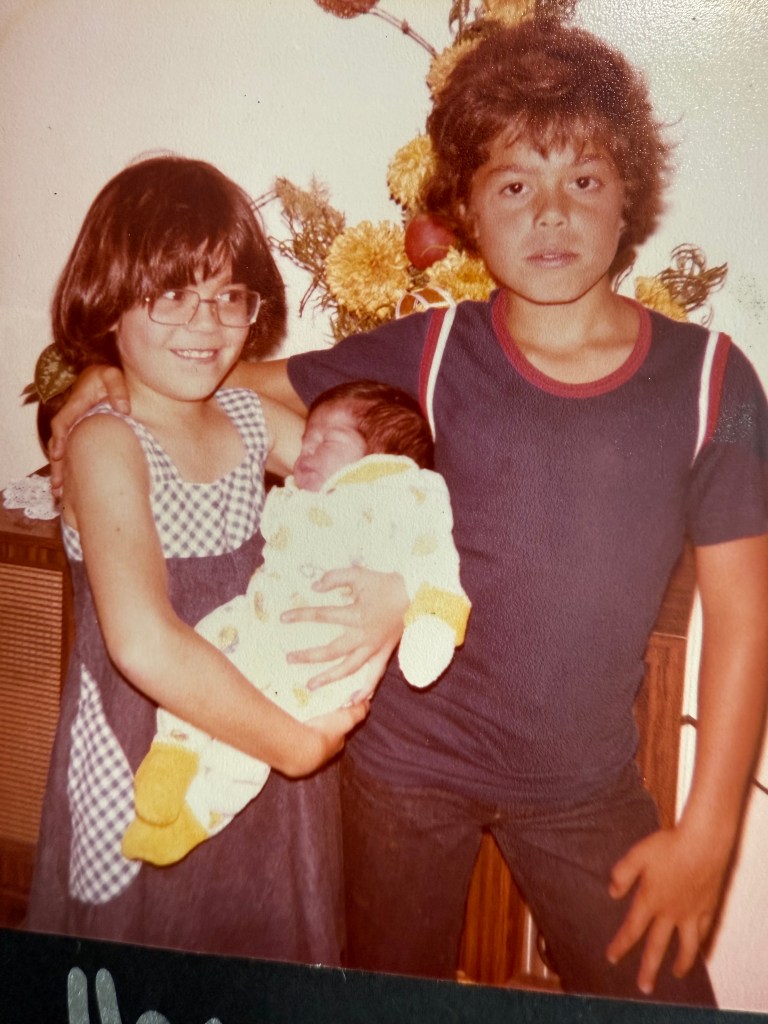
Maybe it started at home. I was the last child, born ten years after my closest sibling. My mom had a huge, creative, and crafty mind—always building, making, designing.
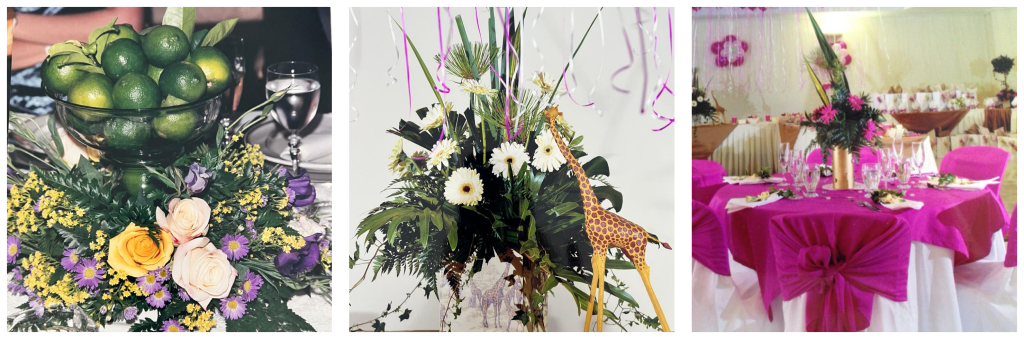
She used to run a flower shop when I was born, but she had to close it because it was challenging to manage the store and care for a baby. That didn’t stop her, though. She kept doing everything from home—flowers, party planning, quinceañeras, weddings. Our house was always half living space, half workshop. We grew up walking carefully, dodging vases, candles, wires, and giant arrangements. I spent most weekends helping her with events—loading things into the car, setting up decorations, and cleaning up late at night. I didn’t realize it at the time, but that experience shaped me deeply. It taught me that business can be creative, messy, beautiful, and exhausting—all at once.
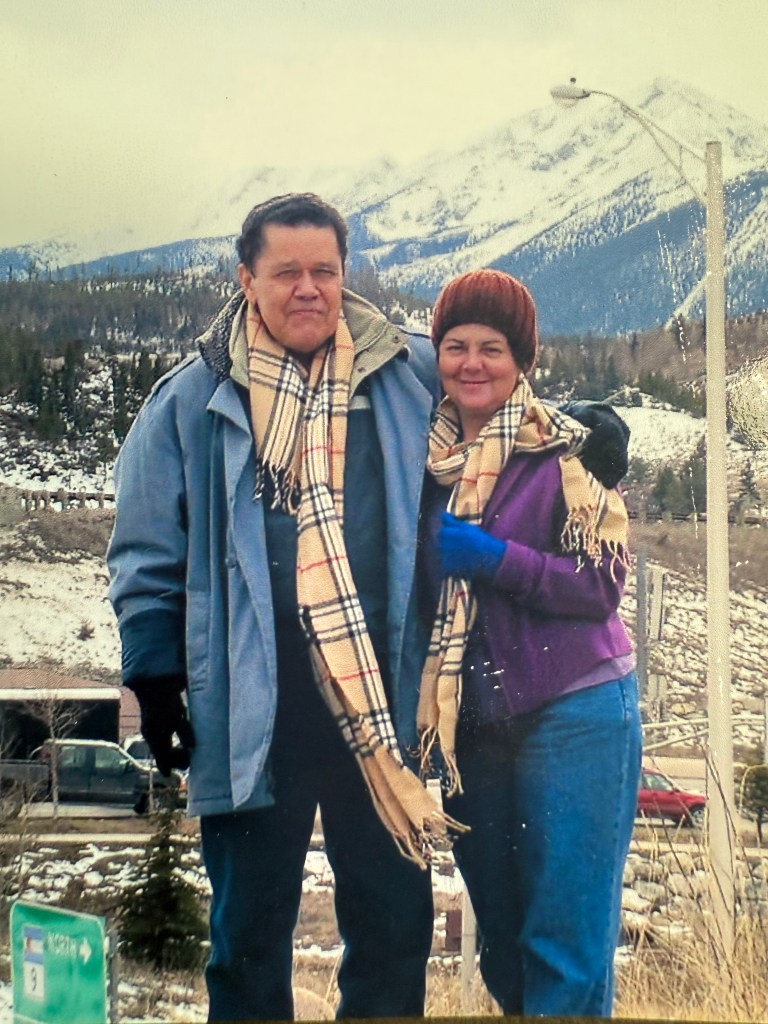
My dad was a banker by profession but a fixer at heart. He loved working on things, partly for joy, partly to save money.
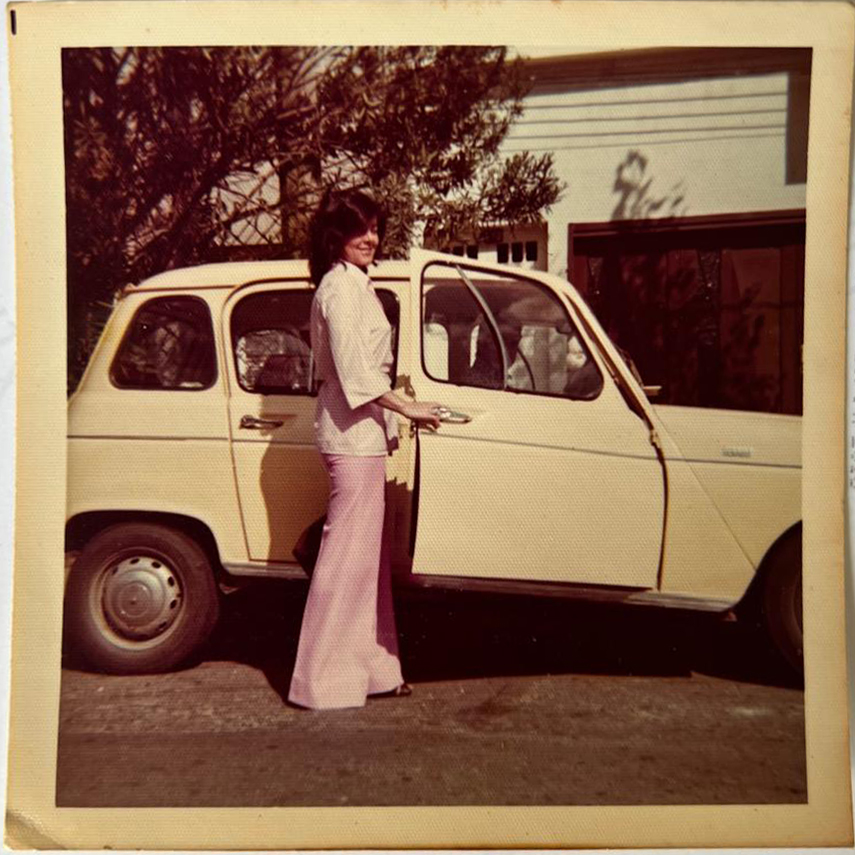
Our family car was a little Renault 4 (yes, the French one), and my dad could take it apart and put it back together with ease. I didn’t have much choice in the matter—I was the designated tool-and-coffee delivery person. That was one of my first lessons: to help, to observe, and to learn by doing.
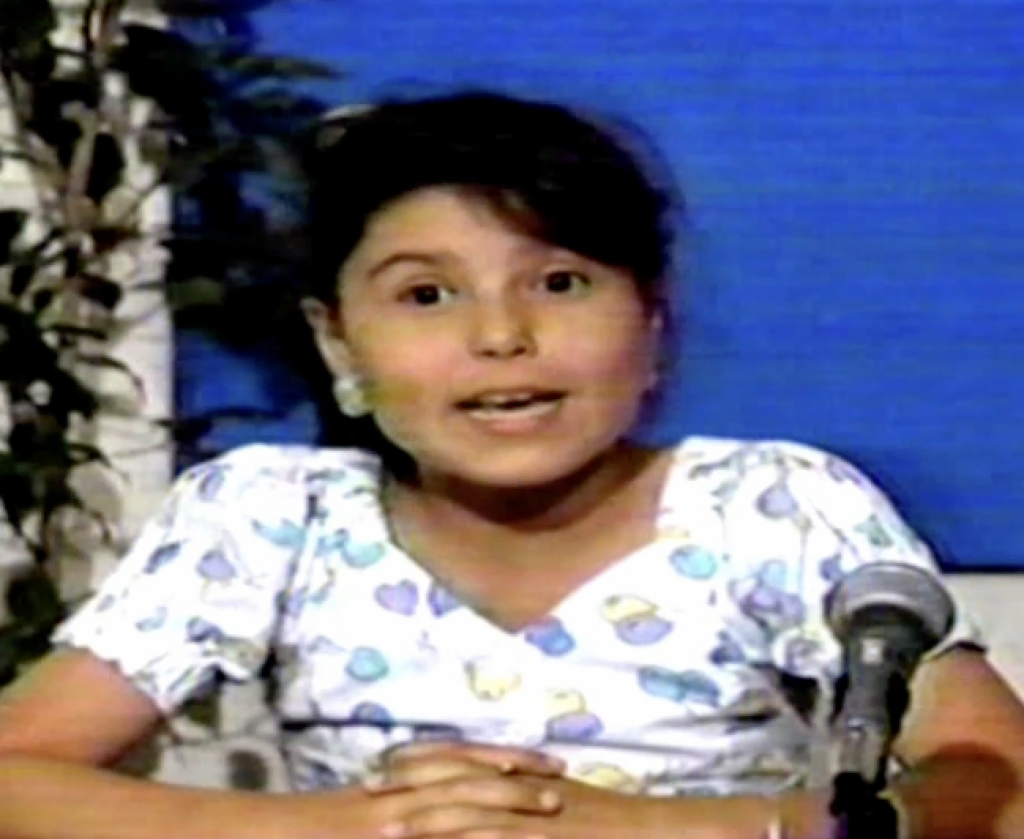
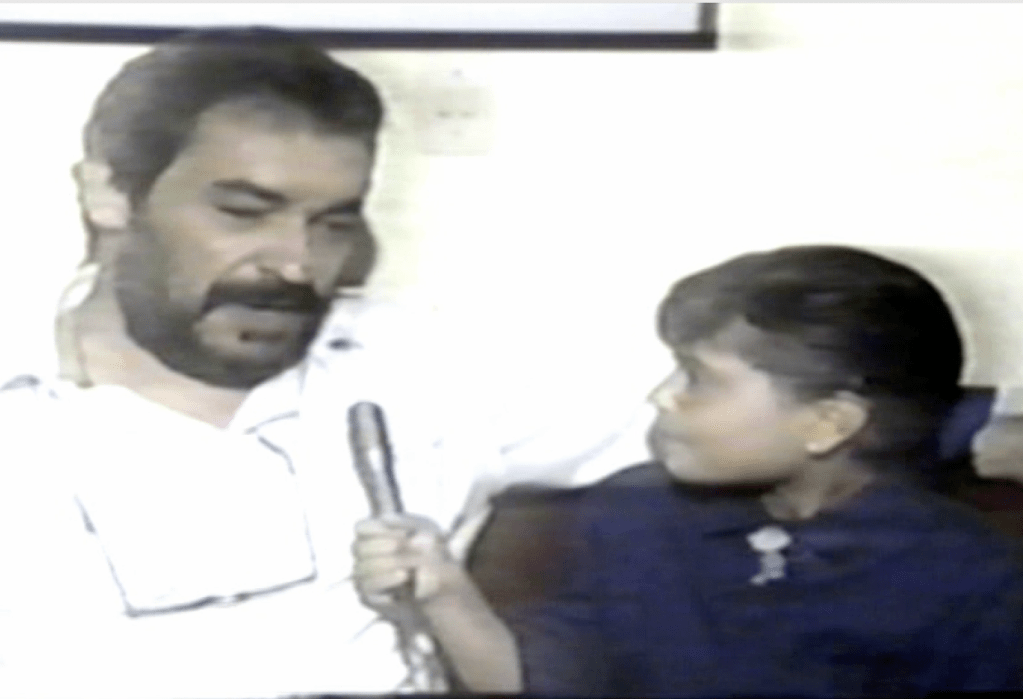
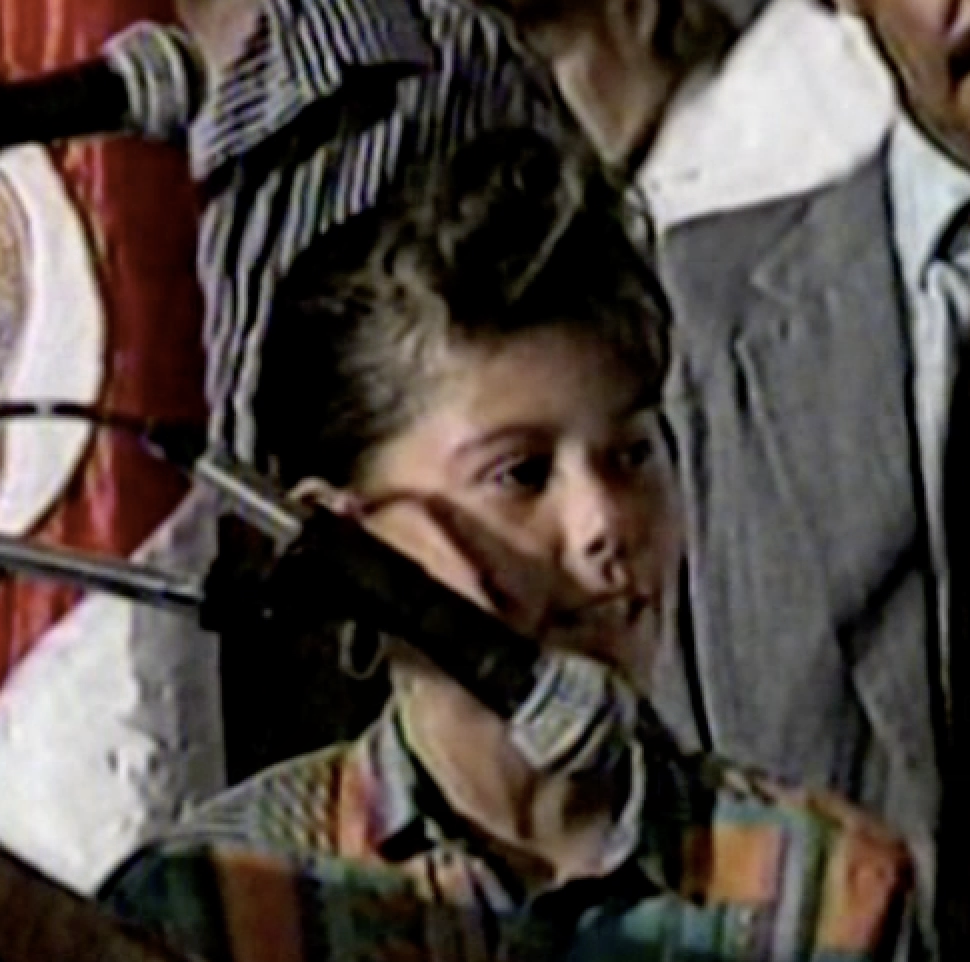
Growing up, my life was very different from most kids. At six years old, I was already making money doing radio commercials. By seven, I was on a regional TV show called Noticosas para Notichicos—a news show for kids. I have beautiful memories from that time, especially the moment I went to Costa Rica at age 10 and, in a room full of journalists from different countries, interviewed President Oscar Arias at a press conference. It felt natural to me, even though I was just a kid.

People expected me to become a journalist. And honestly, I think part of me always will be. But I wanted something more hands-on, something more creative. So, I chose Industrial Design.
(Well, to be fair… I secretly wanted to be a surgeon. But I was too afraid to fail. Medicine requires a different kind of drive, and I didn’t have it back then.)
Industrial Design was a great fit, at least in school. I’m handy, curious, and I’ve always loved tools. I still remember my first time walking into a Home Depot in the U.S. and discovering they sold sandpaper in rolls—I was so happy, you would’ve thought I found treasure.
One of the last classes I took in college was called “Ecodesign.” I loved it. The professor’s passion was contagious. He made me believe that design could change the world. For my graduation thesis, my best friend Camilo Fresneda and I developed a non-woven material made from the dust and leaves discarded during the processing of fique burlap. We created biodegradable single-use hotel products—everything from slippers to soap packaging—made from agro-industrial waste. That project landed me my first real job before I even graduated.
But that job didn’t go as planned.
Like I said earlier, sometimes my roles didn’t exist before I arrived. That sounds exciting, but it can also be hard when there’s no one to train you, no path to follow. I was young and idealistic, working hard… until one day, after six months of no payment, they let me go.
That was my first real failure. I was 22.
You don’t recover from something like that quickly. It’s the moment you realize that not everything is possible. That life isn’t fair. That talent and passion don’t always protect you.
After that, I tried fashion design for a while, but it didn’t feel right. So, I made a big decision: I was going to move to Australia.
(Well… the farthest I got was Miami.)
And that’s where a very different chapter began.
⸻
I think this is the first time I’m telling this story entirely. I never talked about being a kid on TV before—some people in college made fun of me when they found out, so I stayed quiet. But now, with time and distance, I feel a sense of pride. I was just a little girl with a microphone, asking questions to presidents. And this is just the beginning. I’m adding some of those pictures here, and maybe even the video, because it’s time.

Catyobi
 Catyobi Studio
Leave a comment