
🌿 Note from Catalina:
This blog comes from a neurodivergent mind and an immigrant heart. It’s a mix of memories, plants, recipes, travels, and reflections—no straight lines, just stories from a brain that works differently.
I write to be the voice I once needed—for anyone who’s ever felt out of place, misunderstood, or too much. You’re not alone.
👉 Leer este post en español: Una historia sobre la ansiedad, el paddleboarding y recuperar la alegría
My mom says that when she was a kid, she had a lot of fears — of the dark, of insects, of people.
One time, when one of my siblings was a baby, she found a big worm next to the crib and called my dad for help. He laughed and told her it wasn’t a big deal. That moment marked something in her. She promised herself she would raise fearless children.
And in many ways, she did.
My siblings are much braver than I am, but we all grew up unafraid. My brother took that lesson to the extreme: paragliding, scuba diving, collecting exotic pets. My sister and I don’t take as many risks, but we’re confident. We aren’t easily scared — by animals, by adventures, or by the unknown.
But something shifted when I entered my 40s.
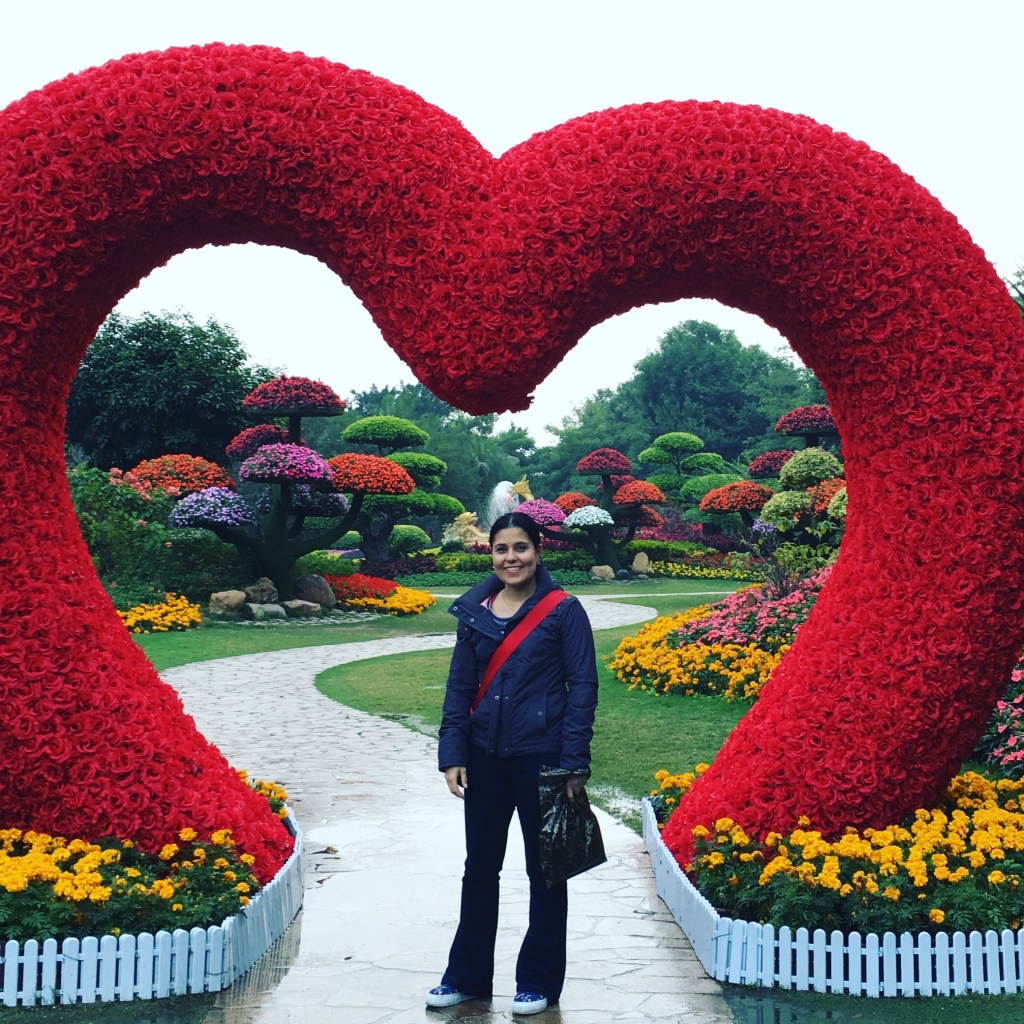
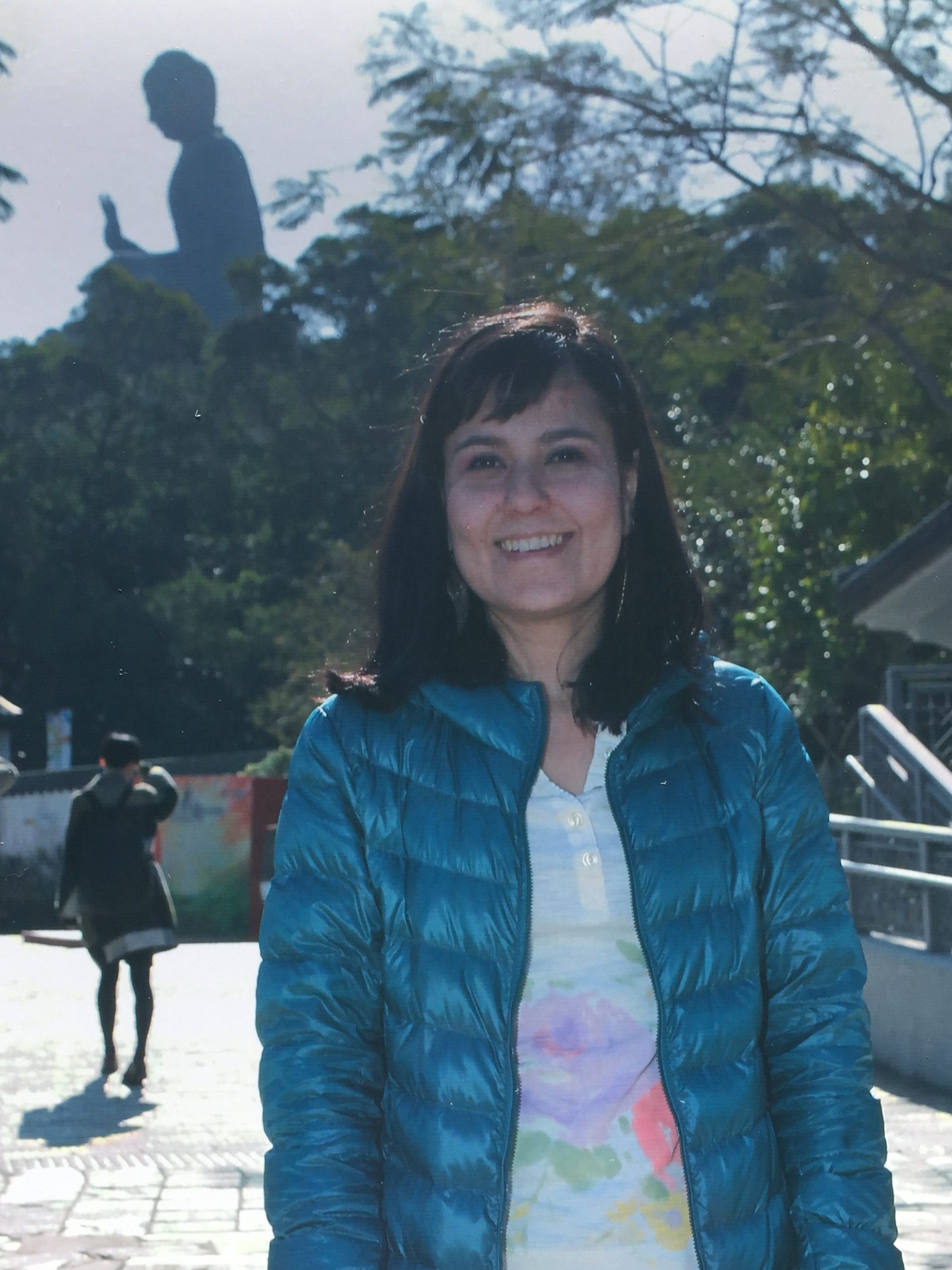
In my 20s and 30s, I had no problem doing things alone. I traveled across China and Japan by myself. I wandered through markets where no one spoke my language, took trains to cities I’d never heard of the day before, and sat in tiny restaurants where I was the only foreigner. I loved those moments — they made me feel alive, capable, and free.
Now, I find myself struggling to do things on my own. Even something I love, like paddleboarding, feels harder to start. I keep asking myself why — and I think it’s because independence feels different when you don’t have the safety net of people nearby.
I began to notice other small changes too. I became more cautious. And the first thing I realized was how much anxiety driving started to cause me.
I’m not sure yet what’s happening in my brain (I’m working with doctors), but the anxiety is strong — strong enough that it’s starting to shape my days. I’ve stopped doing some of the things I love — not because I don’t enjoy them, but because of how stressful they’ve become.
So I adapt. I plan. I try to control what I can.
When my therapist suggested I make lists, I was all in.
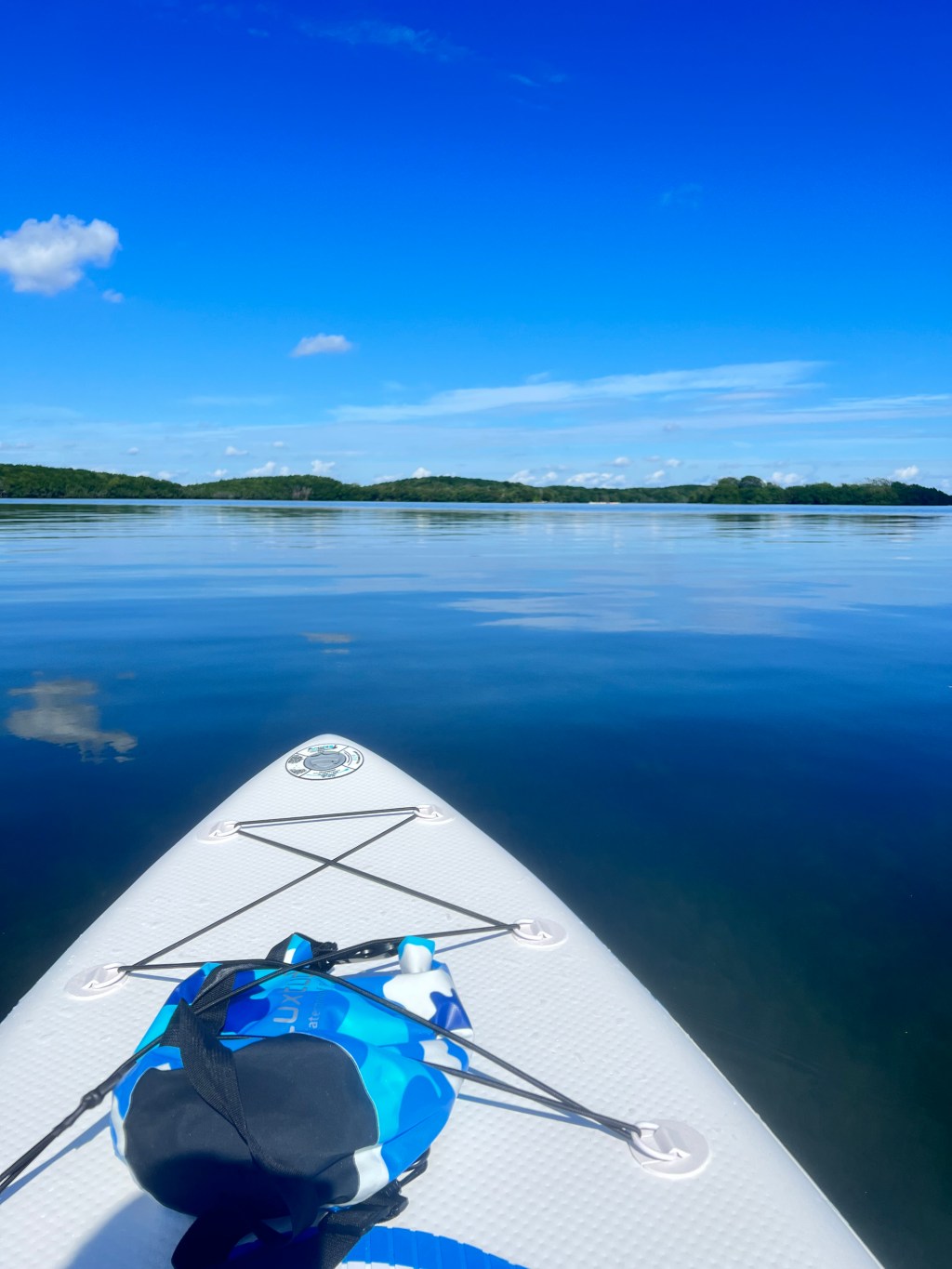
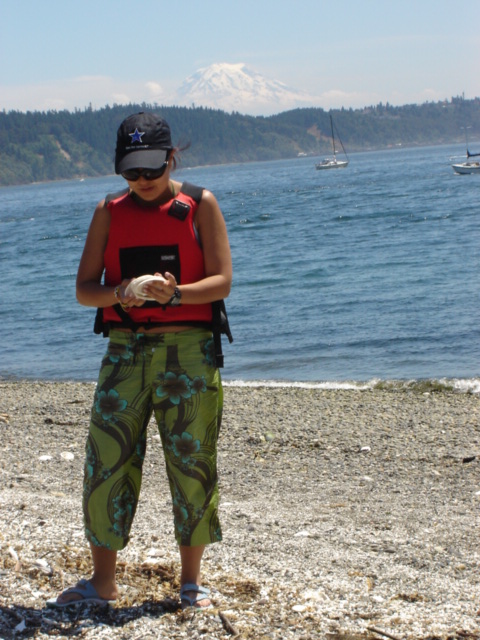
I love lists — neat and practical, a way to tame the chaos in my head. So I made one for paddleboarding, something I’ve always loved. What to pack. Where to go. How to get there. Every step written down.
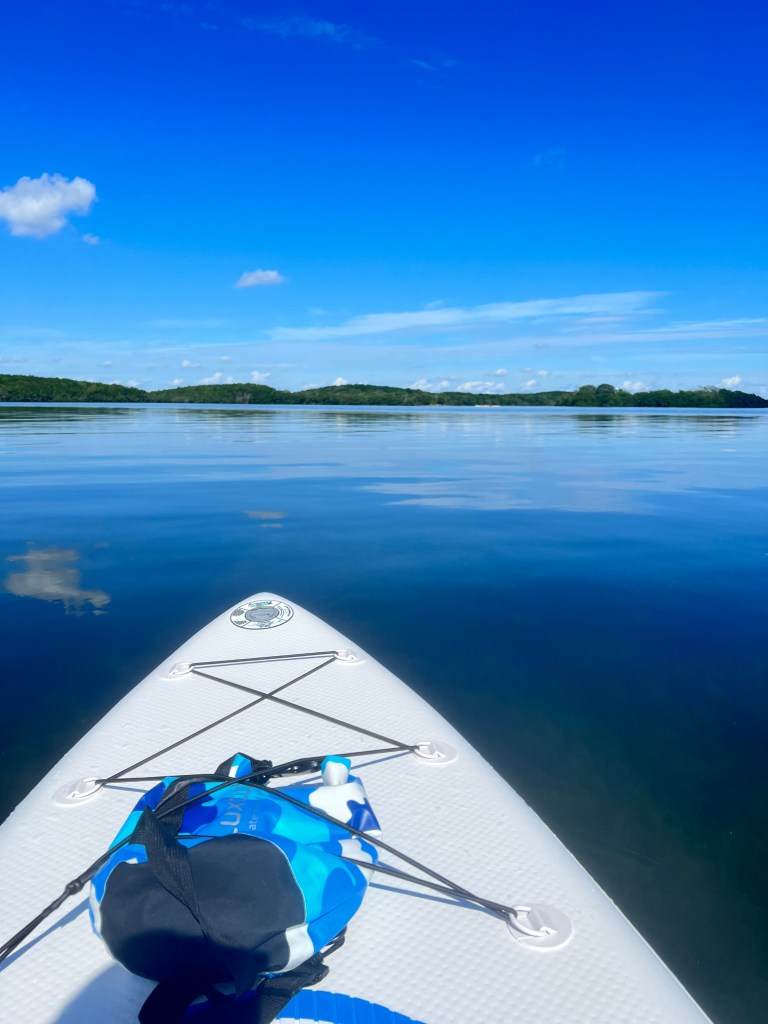
And yet… I still couldn’t do it.
That’s when I realized this isn’t just about planning or anxiety. It’s about not having someone to call and say, “Hey, come with me.”
I do have a community — my mom, my sister, my friends — but they’re far away, busy, or dealing with their own struggles. Our connection has become sending each other memes about the thoughts that never leave our heads, a way of saying “I’m still here” without the energy to say, “I’m not okay.”
In my 40s, I’ve learned that this stage of life can be one of the most vulnerable for women. Hormones change. Bodies change. And relationships change — sometimes painfully. Too many of us are cheated on or left during this time, right when we most need support. Some of us are still living with the loss and the silence it leaves behind.
Even the medical system can feel cold. You sit in a doctor’s office, pour out your symptoms, and hear: “Your labs are fine. Maybe it’s just your brain. Take these pills.”
You leave with a prescription and the same loneliness you walked in with.
We are not broken. But we are tired. And we are lonely.
Lists can help you remember your sunscreen. They can’t hold your hand when your heart is racing. They can’t give you the courage that comes from knowing someone will be there when you fall.
What we need — what so many of us need — is a village. And rebuilding mine is now at the very top of my list.
In my 20s and 30s, I explored without hesitation:

But here’s the question: how do we build community after our 30s?
You’re no longer in school, you don’t always want to have friendships with your coworkers, and it’s even harder when you work from home.
I went back to school recently, hoping for that sense of belonging, for real connection. But I was wrong. There’s no interaction — just lectures, assignments, and a cycle of giving and consuming “knowledge.” What’s missing are the conversations about our experiences, our backgrounds, our goals, dreams, and hopes.
Don’t get me wrong, going back to school is an amazing experience — but without human connection, it feels incomplete.
So tell me — if you’re an introvert, if you don’t have kids, if you’ve lost your partner or your closest people — how do you do it?
How do you find your village again?
I’d love to hear your thoughts, stories, or even small ideas. Maybe your way of building connection will inspire someone else who needs it right now — maybe even me.

 Catyobi
Leave a comment