🌿 Note from Catalina:
This blog comes from a neurodivergent mind and an immigrant heart. It’s a mix of memories, plants, recipes, travels, and reflections—no straight lines, just stories from a brain that works differently.
I write to be the voice I once needed—for anyone who’s ever felt out of place, misunderstood, or too much. You’re not alone.
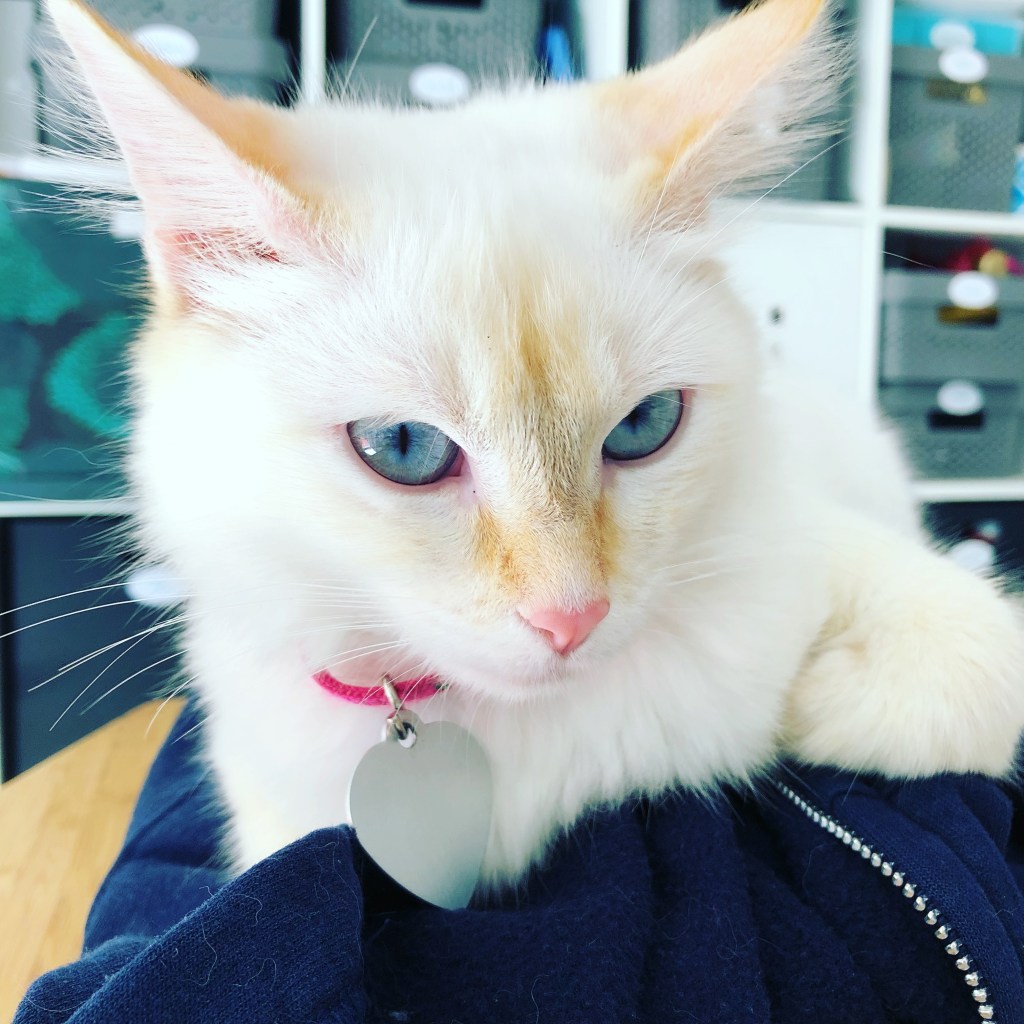
Yesterday, my cat Brûlée died in my bed at 12:10 a.m. She had been with me for almost nine years. She was stubborn, independent, not easy to read — she never let me pet her, but she slept on my pillow every night. That was her way of loving me.
When she got sick, I didn’t notice soon enough. By the time I understood, it was too late. She was ready to go. And now I’m left with regret — regret that I didn’t catch it, regret that she spent her last months confined indoors to keep her safe from Mr. Stray (One of my Dogs), regret that I didn’t give her the garden she loved.
The Weight of Caregiving for Animals
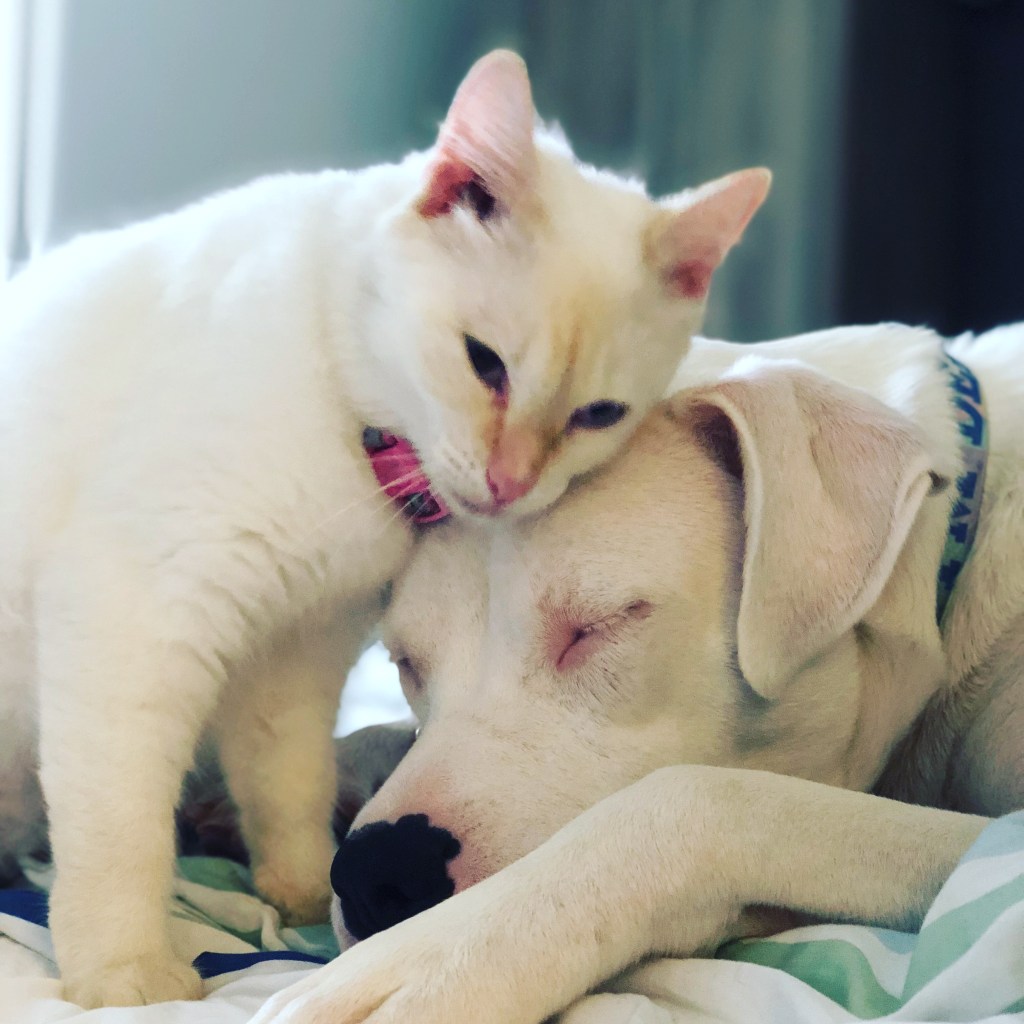
People who care for rescues and multiple animals live with invisible burdens. On the outside, others see cute photos, funny stories, cozy homes filled with pets. They don’t see the decisions:
- Do I call the vet now, or wait?
- Can I afford this treatment, or will I break my budget for the month?
- Do I keep them safe inside, or let them roam and risk losing them?
- Do I keep trying, or do I let them go?
There are no easy answers. Every choice feels like the wrong one. And in the end, no matter what, regret creeps in: I should have done more. I should have noticed sooner. I should have given them more joy.
Confinement, Freedom, and the Impossible Balance

Right now, my cats are confined because of Mr. Stray. He’s a hunter, and I cannot risk their lives with him. I love him too — he’s part of our family — but because of him, the other cats cannot have the freedom they once had. I regret that, but I know it’s what keeps them safe.
With Oliver, it was the opposite. He was always an indoor cat, but after the pandemic, when I saw people suffering from confinement, I decided to give him the freedom to go outside. He was so happy — running, hunting, living his best life in the garden. But then, three years ago, he was killed by a stray dog. That was my decision — and it’s one I’ll always carry.
Whether I confine them for safety, or let them roam for happiness, there’s regret. If they’re safe, I feel guilty that they’re not free. If they’re free, I risk their lives. It’s never good enough.
The Universal Guilt of Caregiving
It isn’t only with animals. My mom went through the same thing while caring for my grandmother. People around her judged: Why didn’t you put earrings on her? Why is she dressed like that? Nobody saw the endless repetition of words, the stress of keeping her alive, the way my mom was barely holding herself together.
After my grandmother died, my mom confessed she regretted not letting her eat more chocolate — because she was going to die anyway, and maybe chocolate would have brought her joy. That regret still lives in her, even though she gave everything she could.
This is the reality of caregiving: you pour yourself out, you keep someone alive and safe, and still, you are left with guilt.
Caregiving and Womanhood
There’s another layer to all of this: being a woman. Our womanhood is so often measured by caregiving — by how good a daughter we are, how good a wife we are, how good a mother or even a pet owner we are. Care becomes an expectation, something embedded in us, as if being a woman automatically means being a caregiver.
And because it is expected of us, the judgment is harsher. If we falter, if we get tired, if we make mistakes, the world is quick to say we didn’t do enough. And we say it to ourselves, too.
This constant measuring makes regret heavier. It makes love feel like a test we can never pass.
Why Love Never Feels Like Enough
The truth is, we will always have regrets. Because no amount of care ever feels like enough when someone we love dies.
But here’s what I remind myself: our pets, our elders, our loved ones don’t measure life the way we do. They don’t count car rides or beach trips, they don’t tally earrings or outfits. They measure love in presence, safety, belonging, and the quiet comfort of being close.
Brûlée chose my pillow. That was her love language. My love for her was staying, even when it was hard, even when it meant letting her go.
For All Caregivers
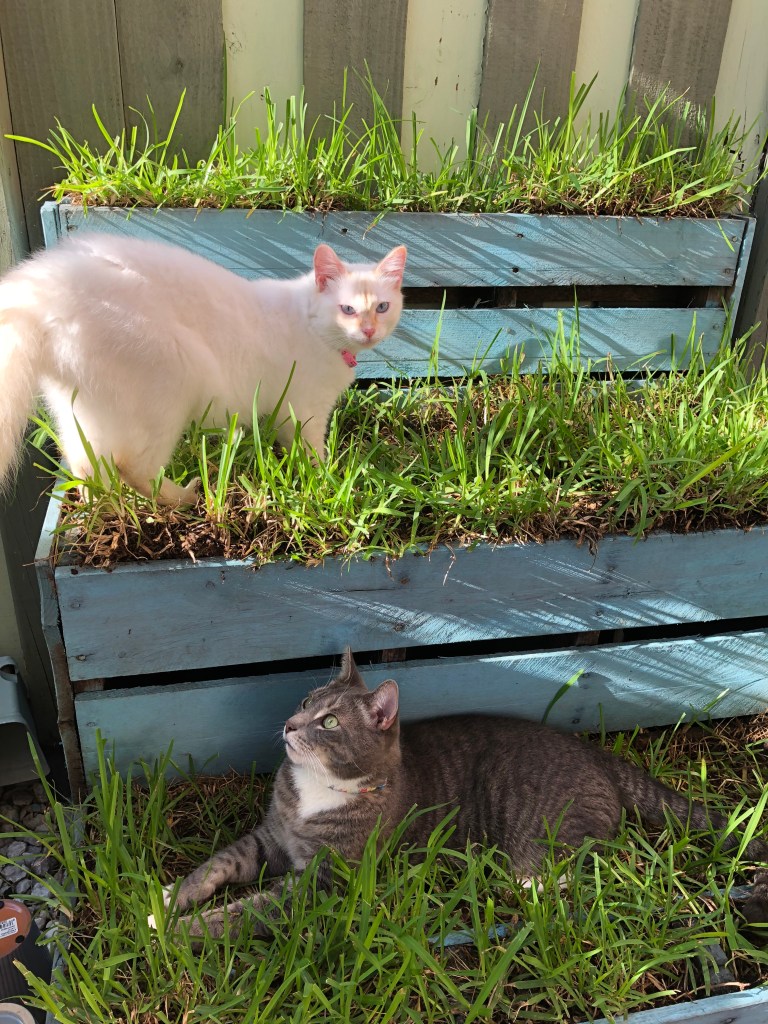
If you are caring for rescues, for family, for anyone fragile — know that you are not alone in carrying pain and regret. Love always feels like it falls short, but in truth, it is everything.
I like to imagine that Brûlée is now with Oliver, free in the garden again. And maybe that is enough. 💜

 Catyobi
Leave a comment