and to anyone who still believes immigrants are human beings
🌿 Note from Catalina:
This blog comes from a neurodivergent mind and an immigrant heart. It’s a mix of memories, plants, recipes, travels, and reflections—no straight lines, just stories from a brain that works differently.
I write to be the voice I once needed—for anyone who’s ever felt out of place, misunderstood, or too much. You’re not alone.
I don’t know if you will ever read this.
We are not in touch anymore. Life moved on. Your father is no longer here. But something he said to me more than twenty years ago has followed me quietly through my life — and only now do I fully understand how rare it was.
When I first came to this country, I was young, Colombian, and still learning English. I didn’t understand American politics. I didn’t know the parties, the labels, or the invisible hierarchies. I didn’t yet know how dangerous it could be to be perceived as other. I was simply trying to live, to love, to build a future.
You came from a very different place.
You were born here. Your parents were born here. Your family had been here for generations. Your grandparents arrived from Europe long before I was born, and by the time I met you, that history had already settled into belonging. You never had to wonder if you were allowed to be here.
Your father certainly didn’t.
He was an older man — already in his eighties back then — from a generation people often assume is rigid, conservative, or closed. He was not an immigrant. He did not share my background, my language, or my uncertainty. And yet, he understood something that feels painfully rare now.
One day, he called me into his office. I remember sitting there, nervous, unsure if I had done something wrong. My English was broken then, so I listened carefully, afraid of missing something important.
He told me — slowly and clearly — that he wanted me to always feel welcome in his house.
He said it more than once.
He explained that his family believed in immigrants. That they came from immigrant roots themselves, even if that journey was generations behind them. That his home was a safe place for me.
At the time, I thanked him. I was polite. I was grateful.
But I didn’t understand the weight of what he was offering.
I understand now.
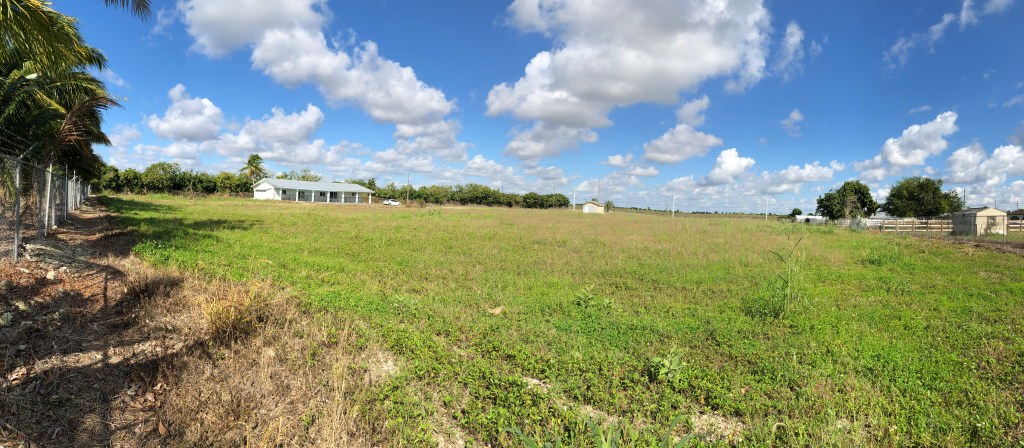
I have lived in this country for 22 years. I built a life here. I worked here. I loved here. I studied here. I designed here. I planted roots — literal and emotional ones. When I moved to the farm, I was absolutely sure I would die on this land.
Not anymore.
Lately, I am afraid to go out. Afraid of places that once felt neutral. Afraid of being surrounded by people who might look at my face, hear my accent, or notice my Spanish and decide I don’t belong. Recently, when my parents were visiting, a man screamed at us to “go back to your country.”
My parents.
Guests.
Elders.
That moment broke something open inside me.
I realized how thin protection really is. How conditional belonging can be. How quickly a place can turn hostile. This past weekend, I cried almost nonstop. I feel like an outsider in my own home — not just my house, but my country, my relationship, my daily life.
The old immigrant reflex has returned: don’t get too attached, be ready to leave, pack everything into bags again if you have to.
Someone tried to comfort me recently by saying, “But you are a citizen.”
And all I could think was: why does that matter?
Citizenship does not make someone human.
A passport does not grant dignity.
Papers do not determine who deserves safety.
If my fear only matters because I hold a document, then something is deeply broken. Because non-citizens — undocumented people, asylum seekers, migrants waiting in silence — they feel this fear more intensely than I do. And they are just as human as I am.
Around the same time, I saw something else that stayed with me.
I follow a gardening blog run by someone who is openly pro-immigration and against ICE. In the comments, someone wrote that, as a gardener, she should understand the importance of “removing weeds.”
Weeds.
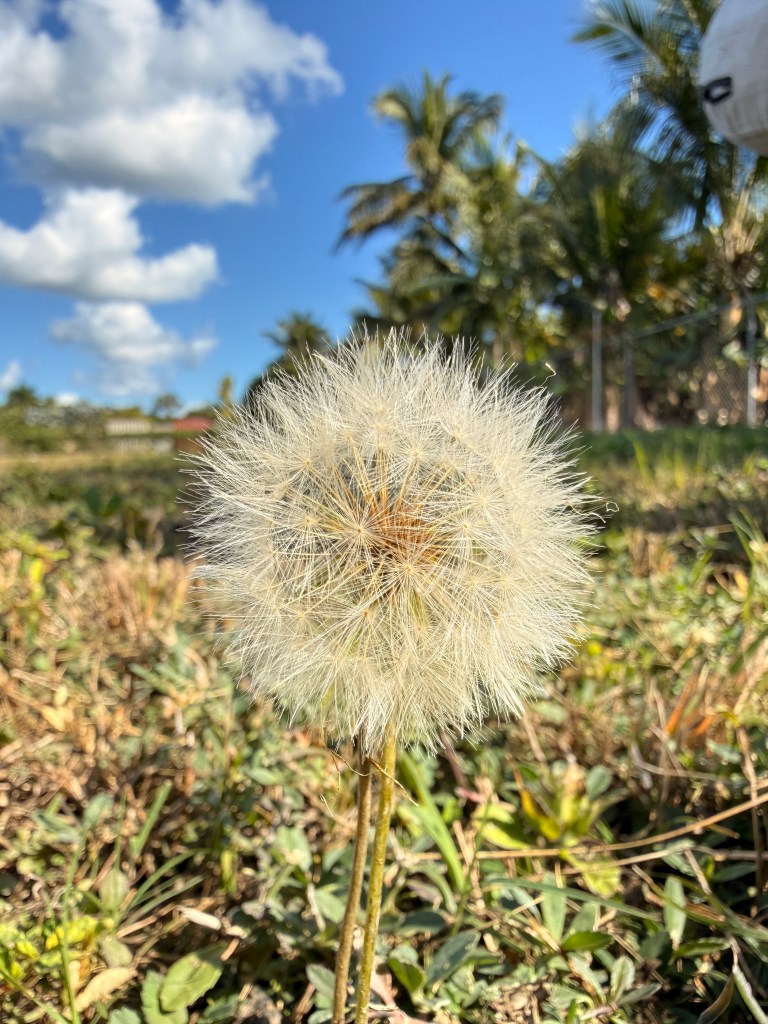
They were talking about immigrants.
The gardener did not agree. She pushed back. She defended immigrants.
And still — the damage was done.
Because the language was there.
Because it came so easily.
Because comparing human beings to weeds felt normal to someone.
That comment felt like a stab in my chest.
I am a gardener. I believe diversity strengthens ecosystems. I believe life thrives when we make space instead of erasing. And suddenly, the same words we use for soil and plants were being used to justify cruelty toward people.
How did we get here?
How did we reach a point where immigrants are reduced to metaphors instead of recognized as human beings?
Immigrants are not just laborers.
We are scientists.
We are designers.
We are engineers.
We work in hospitals, universities, research labs — even at NASA.
And we are also caregivers, farmworkers, cleaners, builders, and cooks.
Not because that is all we can be — but because immigrants are everything. We occupy every layer of society. We always have.
Then came something unexpected.
During the Super Bowl halftime show, I watched Benito Antonio Martínez Ocasio stand on one of the biggest stages in this country and refuse to be small. Refuse to apologize. Refuse to be ashamed.
It wasn’t about music.
It was about dignity.
It was about saying our names fully.
It was about existing without asking permission.
For a moment, I felt seen.
Your father understood something that feels almost radical now: that welcoming someone is an action, not a slogan. That safety is something you offer deliberately. That belonging should not depend on papers, race, or how long someone’s ancestors have been here.
He is no longer here to say those words again.
But I am here to say this:
They mattered.
They lasted.
They are the reason I still believe another version of this country exists.
I don’t know if you will ever read this. But if you do, I hope you know that your father’s kindness did not disappear with him. It lives on in me — especially now, when I need it the most.
And to anyone reading this who believes immigrants are a problem, a threat, or something to be removed:
Please understand — we are not asking for special treatment.
We are asking to be seen as human.

Catyobi


 Catyobi
Leave a reply to crusadejoyfully7999522aae Cancel reply